Abstract: Rosin Ester is a widely used tackifying resin in adhesives, coatings, inks, and rubber formulations. Many manufacturers struggle with issues such as poor adhesion, instability under temperature fluctuations, and inconsistent product performance. This article explores how Rosin Ester works, its chemical characteristics, and how it solves these common challenges. It also provides practical guidance on selecting the right grade for specific applications and maximizing formulation efficiency.
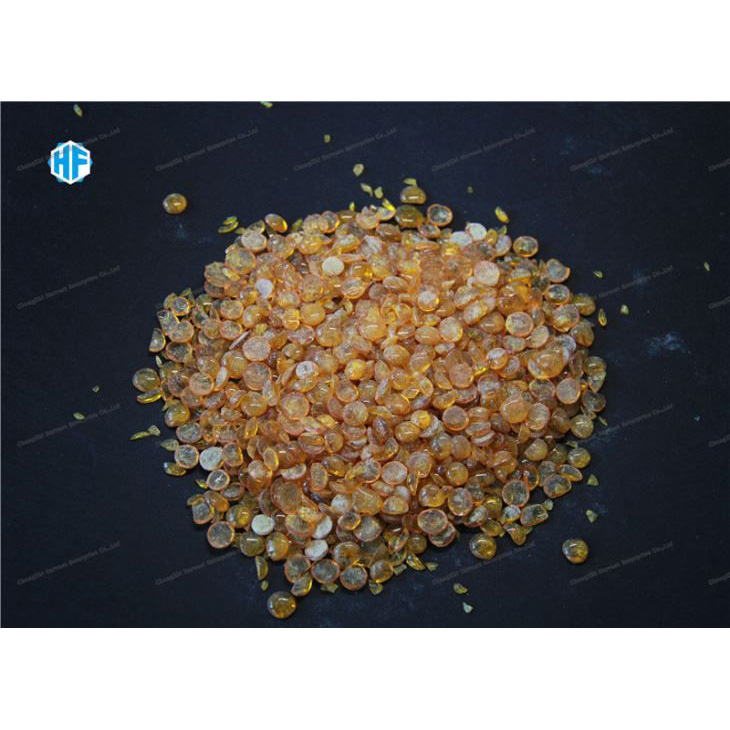
Rosin Ester is a derivative of natural rosin, typically obtained from pine trees. Through esterification, rosin acids react with polyols such as glycerol or pentaerythritol, resulting in a more stable and versatile resin. Compared to raw rosin, Rosin Ester offers improved thermal stability, oxidation resistance, and compatibility with polymers.
It is widely used in:
In industrial applications, adhesion performance directly impacts product reliability and customer satisfaction. Poor adhesion can lead to:
Manufacturers require materials that ensure strong initial tack, long-term bonding strength, and resistance to environmental stress. This is where Rosin Ester becomes essential.
Rosin Ester functions primarily as a tackifier. It enhances the stickiness of base polymers, allowing them to bond more effectively to substrates.
The mechanism involves:
By modifying the glass transition temperature (Tg) of adhesive systems, Rosin Ester ensures consistent performance across varying temperatures.
| Benefit | Description |
|---|---|
| Enhanced Tack | Provides strong initial adhesion for various surfaces |
| Thermal Stability | Maintains performance under high temperatures |
| Improved Compatibility | Works well with EVA, SIS, SBS, and other polymers |
| Oxidation Resistance | Extends product shelf life |
| Cost Efficiency | Reduces formulation costs without sacrificing quality |
Different types of Rosin Ester are designed for specific industrial needs:
Selecting the correct Rosin Ester depends on several technical parameters:
| Factor | Consideration |
|---|---|
| Softening Point | Higher values for heat resistance |
| Acid Value | Lower values for better stability |
| Color | Important for transparent or light-colored products |
| Compatibility | Match with base polymer system |
Harvest Enterprise offers a wide range of Rosin Ester products tailored to meet diverse industrial requirements.
Q1: Is Rosin Ester suitable for food packaging adhesives?
A: Yes, certain grades comply with food safety standards. Always verify certifications.
Q2: Can Rosin Ester improve low-temperature performance?
A: Yes, it enhances flexibility and tack at lower temperatures when properly formulated.
Q3: What is the difference between hydrogenated and non-hydrogenated Rosin Ester?
A: Hydrogenated versions offer better color stability and resistance to oxidation.
Q4: How does Rosin Ester compare to synthetic tackifiers?
A: It provides a balance of natural origin, performance, and cost-effectiveness.
Rosin Ester plays a critical role in enhancing adhesion, improving stability, and optimizing industrial formulations. Whether you are working in adhesives, coatings, or inks, selecting the right Rosin Ester can significantly impact your product’s performance and cost efficiency.
At Harvest Enterprise, we specialize in high-quality Rosin Ester solutions designed to meet the evolving demands of modern industries. If you are looking to improve your formulations or need expert guidance, contact us today to discover how we can support your business with reliable and customized products.